The Role of Technology in Modern Healthcare Systems

Technology has become integral to modern healthcare systems, transforming how patient data is managed and accessed. Innovations such as telemedicine, remote monitoring, and artificial intelligence are reshaping diagnostic and treatment processes. These advancements promise increased efficiency and personalized care but also pose challenges related to security, privacy, and equitable access. Understanding the full scope of technological influence is essential for evaluating future healthcare improvements and addressing emerging concerns.
Enhancing Patient Records and Data Management
How has technology transformed the management of patient records in healthcare settings? Electronic documentation has streamlined data entry and retrieval, enhancing efficiency.
However, data security remains critical to protect sensitive information. These advancements offer greater control and accessibility, empowering healthcare providers and patients alike, while emphasizing the importance of safeguarding data integrity and privacy in digital systems.
Expanding Access Through Telemedicine and Remote Monitoring
Advancements in telemedicine and remote monitoring technologies have significantly expanded healthcare access by enabling patients to receive medical services outside traditional clinical settings.
However, the digital divide and varying levels of technological literacy pose challenges, potentially limiting equitable access.
Overcoming these barriers is essential to ensure that remote healthcare solutions truly empower all individuals, fostering greater healthcare freedom and inclusivity.
Leveraging Artificial Intelligence for Diagnosis and Treatment
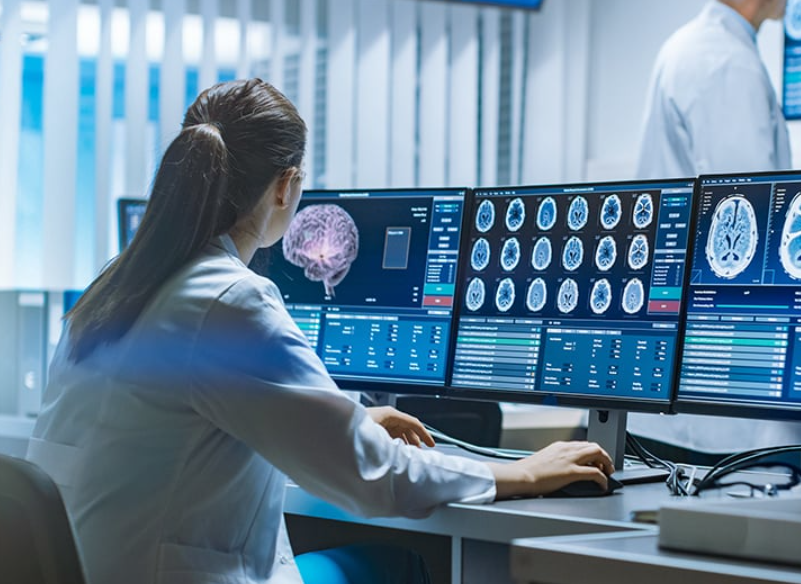
Artificial intelligence (AI) has emerged as a transformative tool in healthcare, enabling more accurate and efficient diagnosis and treatment planning.
AI decision making, driven by advanced machine learning algorithms, enhances predictive capabilities and supports clinical judgment.
This integration fosters data-driven decisions, empowering healthcare professionals to improve patient outcomes while maintaining essential human oversight and ethical considerations.
Improving Healthcare Outcomes With Wearable Technology
What role do wearable technologies play in enhancing healthcare outcomes? They enable continuous monitoring and personalized data collection, improving treatment precision.
However, data privacy concerns and device interoperability challenges must be addressed to maximize benefits. Ensuring secure data handling and seamless integration across platforms is vital for empowering individuals and fostering autonomous health management.
Conclusion
Technology serves as the backbone of modern healthcare, transforming it into a dynamic ecosystem of interconnected innovations. Like a finely tuned engine, these tools drive efficiency, accessibility, and personalized care forward. While challenges remain, ongoing advancements promise a future where healthcare is more proactive and patient-centered. Embracing this technological landscape is essential for building resilient, equitable systems that can adapt and thrive in an ever-evolving medical landscape.