The Role of Technology in Modernizing Supply Chain Logistics

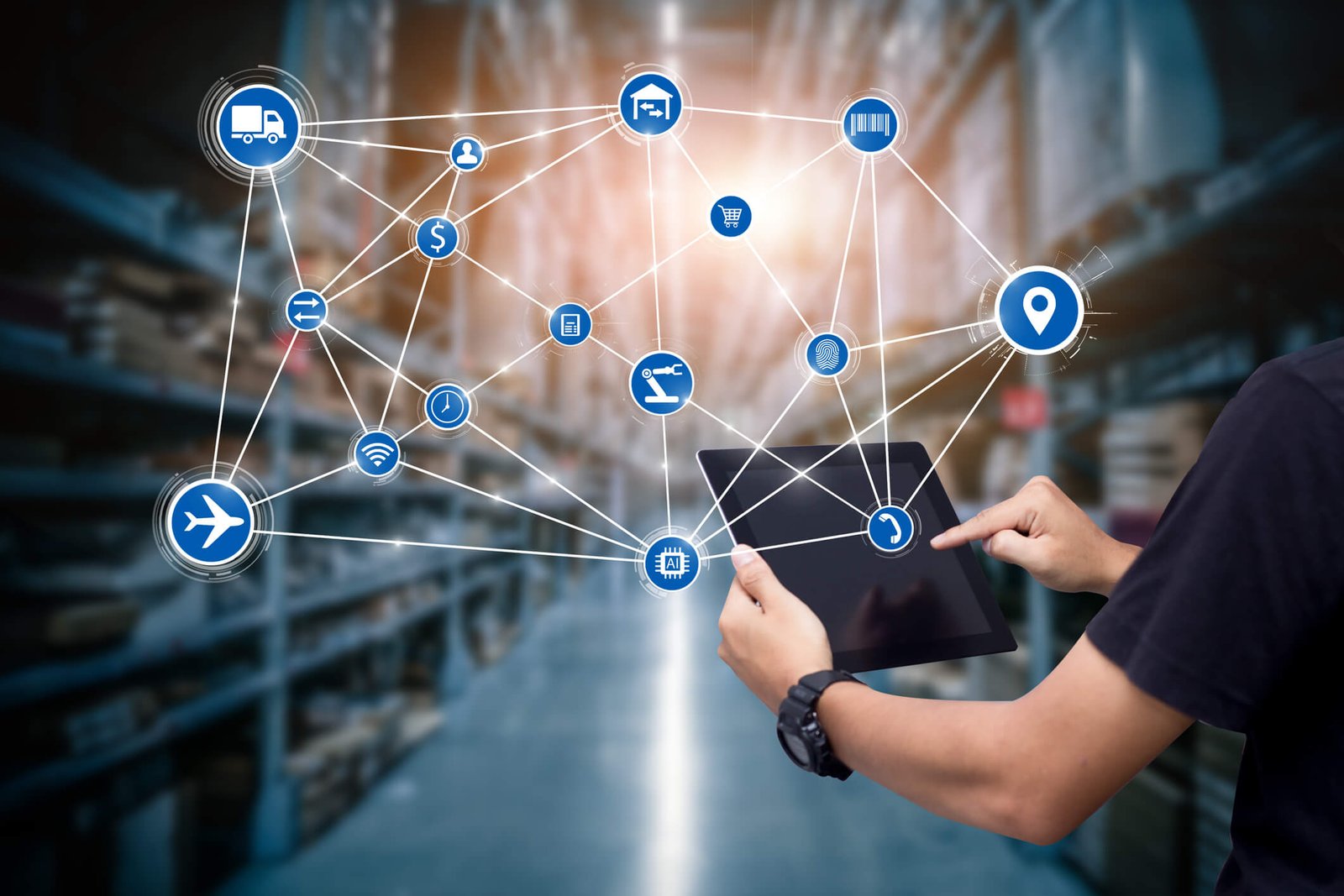
The integration of advanced technologies is transforming supply chain logistics into a more transparent, efficient, and secure ecosystem. Digital tracking systems enable real-time visibility, while automation and robotics streamline warehouse operations. Data analytics and AI provide predictive insights, and blockchain enhances transaction security. These innovations collectively foster greater resilience and agility, allowing supply chains to adapt swiftly to market fluctuations and disruptions. Exploring how these technologies interconnect reveals critical strategies for future logistics management.
Digital Tracking and Real-Time Visibility
How does digital tracking enhance supply chain transparency and responsiveness? It enables precise inventory optimization by providing real-time data, fostering strategic supplier collaboration.
This visibility allows stakeholders to anticipate disruptions, streamline operations, and maintain autonomy.
As a result, supply chains become more adaptable, resilient, and aligned with the goal of achieving operational freedom through informed, data-driven decision-making.
Automation and Robotics in Warehousing
Automation and robotics have become pivotal in transforming warehousing operations by significantly enhancing efficiency, accuracy, and safety. They facilitate inventory optimization and enable workforce automation, reducing manual errors and operational costs.
Strategically deployed, these technologies empower organizations to optimize space, streamline processes, and foster a flexible, scalable environment—ultimately supporting supply chain agility and operational freedom.
Data Analytics and Artificial Intelligence Applications
Data analytics and artificial intelligence (AI) have emerged as critical drivers in optimizing supply chain logistics, enabling organizations to interpret complex datasets and derive actionable insights with unprecedented speed and accuracy.
Predictive modeling enhances demand forecasting, while customer profiling personalizes service, fostering strategic flexibility.
These tools empower decision-makers to anticipate trends and optimize resource allocation effectively.
See also: The Role of Technology in Modern Healthcare Systems
Blockchain for Enhanced Transparency and Security
Blockchain technology offers a transformative approach to enhancing transparency and security within supply chain logistics. By utilizing decentralized ledgers and smart contracts, it ensures immutable records and automated compliance.
This integration empowers stakeholders to verify authenticity independently. It fosters trust, reduces fraud, and streamlines operations.
Ultimately, blockchain technology promotes transparency and security while supporting the pursuit of operational freedom.
Conclusion
The integration of advanced technologies has revolutionized supply chain logistics, transforming it into an indomitable fortress of efficiency and transparency. Digital tracking, automation, AI, and blockchain collectively forge an unassailable network—impervious to disruptions and unparalleled in responsiveness. This technological symphony not only elevates operational precision but also redefines strategic resilience, positioning modern supply chains as unstoppable catalysts of global commerce. Such relentless innovation signifies a paradigm shift, cementing technology’s role as the ultimate architect of logistical supremacy.